
cropper
update

Byline Engine

update
  • Home
  • Categories
    • marketing for dental practices
    • Latest trends
  • All Posts
  • marketing for dental practices
  • Latest trends
February 15.2026
1 Minute Read

The Impact of Interview-Based Content for Building Dentist Authority and Patient Engagement

Why Patients Don't Trust Ordinary Dental Content

When a new patient Googles a dental problem, they’re not just looking for information. They’re trying to answer one core question: “Can I trust this dentist?” Most of the time, the content they find makes that question harder to answer, not easier.

Patients are already skeptical. They can’t tell if what they’re reading is written by a real clinician or by a generic marketing agency—or now, by a generic AI. They wonder if the advice is grounded in real chairside experience or just crafted to sell them something. That’s the biggest misconception about interview based content in dental marketing: most people don’t realize how much patients are actively questioning whether what they see is real or fake.

Reviews help, but they only tell a thin slice of the story. A wall of five-star ratings doesn’t reveal how you think, how you communicate, or how you actually approach patient care. Ordinary blog posts and “SEO content” don’t help much either, because they all sound the same: polished, safe, and interchangeable. None of that feels like a real human being talking.

Interview based content in dental marketing changes that dynamic completely. When patients can literally hear your thinking, your language, your philosophy of care—even in written form—they finally have something real to trust.

Worried dental patient on a couch looking at her phone, reading online dental articles with a slightly apprehensive expression in a bright, modern living room.

If patients can’t hear your real voice, they’ll never know if your expertise is real.

Jim Neister

  • Patients struggle to tell if typical dental content is authentic or just marketing fluff.
  • Standard articles and generic web copy fail to showcase a dentist’s genuine expertise and chairside personality.
  • The “review trap”: patients rely only on reviews, missing the deeper story behind who you are and how you practice.

The Common Enemy: The Rise of “Fake” Dental Authority Online

The real threat to your practice isn’t the dentist down the street—it’s the explosion of fake or shallow authority online. Overnight, anyone can launch a site that “looks” authoritative. Stock photos, templated copy, AI-written articles, outsourced blogs—on the surface, it all passes as expertise.

The problem is that patients are getting very good at sensing when something is off. They may not know exactly why, but they feel when a site is written by a nameless copywriter or spun out of a generic content mill. The tone is sterile, the answers are vague, and the language doesn’t sound like a real clinician who has actually treated real people with real problems.

That disconnect is incredibly dangerous, even for highly skilled dentists. If your online presence sounds like everyone else’s, patients subconsciously lump you into the same “probably marketing fluff” category and move on. In other words, fake authority online doesn’t just elevate the wrong people—it actively undermines the perception of real expertise.

  • Unqualified, outsourced content frequently misrepresents clinical nuance, oversimplifies treatment options, and ignores standard of care.
  • Patients pick up on that inauthenticity, and that skepticism sticks—even if your clinical skills are excellent.
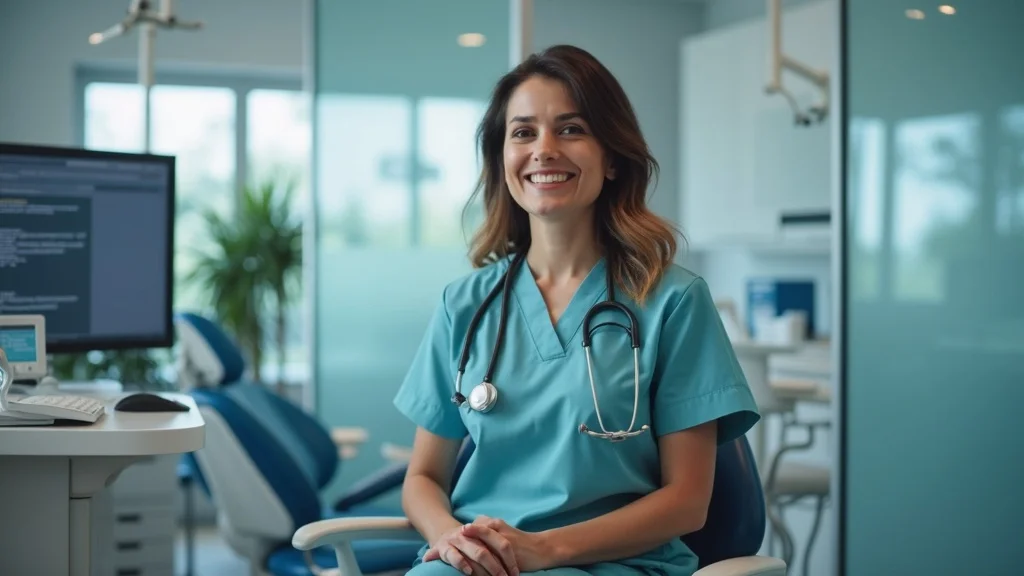
Confident dentist in scrubs sitting for a professional interview in a modern dental office, speaking into a microphone with dental equipment in the background.

The Breakthrough: Interview-Based Content That Converts Skeptics

Interview based content dental strategies are the antidote to fake authority. When I sit down with a dentist and conduct a focused interview, I’m not chasing sound bites—I’m extracting clinical judgment, real-world stories, and the way they actually talk to patients in the operatory.

From that one conversation, I can generate content that sounds unmistakably like that dentist—not like a template. Their phrasing, their analogies, the way they answer “Is this going to hurt?” or explain an implant versus a bridge—those details make all the difference in whether a skeptical patient leans in or clicks away.

Instead of flat, generic posts, interview-based articles become a written record of a real conversation. Patients feel like they’re listening in. They can hear your reasoning and your empathy. That’s where trust starts—not with automation, but with transparency that feels human and unfiltered, even when the final article is carefully edited and SEO-optimized.

  • Interview-driven articles capture your authentic voice and clinical wisdom, not just your credentials.
  • Genuine patient engagement starts when patients feel you’re speaking to them, not marketing at them.
  • Quote-rich, interview based content delivers nuance and clarity that generic dental marketing simply can’t replicate.

Authenticity isn’t a buzzword—it’s the difference between connection and skepticism.

Jim Neister

Dental professional in a consultation room sharing a personal story, smiling warmly and gesturing as if in a friendly conversation with a patient.

Epiphany Moment: The One Thing Patients Actually Want

When I speak with dentists, they often assume patients mainly care about price, insurance, and convenience. Those things matter, but they’re not what turns a nervous browser into a committed patient. The turning point is far simpler: patients want to know who is actually going to be in the room with them and whether that person can be trusted.

Interview based content dental patients can read or watch gives them that clarity. They get to “meet” you before they ever walk in. They hear how you think about anxiety, pain management, aesthetics, long-term outcomes, and ethics. They see whether your philosophy aligns with what they want for themselves and their families.

Once that connection is made, everything else becomes easier. Treatment acceptance improves because patients already feel you’re on their side. Complex treatment plans become less intimidating when they trust the person recommending them. That’s the epiphany: they don’t just want more information—they want you.

  • Patients crave your story and your point of view, not just a list of your credentials and services.
  • Direct insights from you—from an interview, not a rewrite—outperform any polished marketing copy.
  • When patients “meet” the real you online, trust and treatment acceptance both rise dramatically.

Byline Engine’s Interview-to-Authority System

I built Byline Engine specifically to solve this problem for dental professionals. Most dentists don’t have the time, desire, or writing background to sit down and produce high-level content every month. At the same time, trusting a generic agency or a large language model with no dental understanding to “sound like you” is a fast track to more of the same generic noise.

So I designed an interview-based content system that flips the model. Instead of asking you to write, I simply get you talking. In a short, focused phone or video interview, I pull out your real expertise: how you diagnose, why you prefer one treatment over another, what you wish patients knew before they came in, the misconceptions you confront every day.

From there, my proprietary platform—trained specifically on dental terminology and industry nuance—turns that conversation into polished, structured, SEO-optimized content that still sounds like you. The end result is an article (or a series of articles) that positions you as a trusted authority without you ever having to start at a blank page.

  • Byline Engine is a proprietary interview based content dental platform built exclusively for dentists and dental specialists.
  • I conduct real-time interviews to extract your clinical expertise, stories, and natural way of explaining complex topics.
  • Those interviews are transformed into quote-rich, SEO-optimized articles ready to publish on your site, newsletter, or social channels.

Laptop screen showing a collaborative content creation video call between a marketing specialist and a smiling dentist, in a modern home workspace.

Real Authority: Why Interview-Based Content Wins the Patient Engagement Game

Authority in dentistry is no longer just about how many years you’ve been practicing or how many letters follow your name. Online, authority is measured by how clearly and consistently you show up as an expert and a human being. This is where interview based content dental strategies win outright.

When your content is built from real conversations, patients feel like they’re in the operatory with you, hearing you explain their options. Your personality comes through—your calmness, your precision, your humor, your empathy. That human dimension is what cuts through a crowded market where every website claims “state-of-the-art technology” and a “friendly team. ”

There’s also a hard-nosed SEO advantage. Search engines are increasingly prioritizing E-E-A-T: Experience, Expertise, Authoritativeness, and Trustworthiness. Interview-based content naturally checks those boxes. It’s rich with specific details, real patient scenarios (without violating privacy), and clear clinical reasoning. That’s the kind of substance algorithms associate with true expertise, which improves your rankings and your visibility over time.

Interview content lets patients hear your expertise—unfiltered, relatable, and true.

Jim Neister

  • Your authentic voice and personality break through the noise of copy-paste dental marketing and build emotional connection.
  • Human-centered stories and explanations build loyalty far more effectively than sterile industry jargon.
  • SEO performance strengthens because search engines reward depth, originality, and clear signs of real-world experience.
  • Consistent interview based content compounds over time, establishing you as the go-to authority in your community and niche.

Diverse and welcoming dental team interacting warmly with a patient in a bright, modern clinic lobby, smiling and shaking hands.

Quick FAQs: Interview-Based Content for Dental Practices

Whenever I introduce interview based content to dental teams, the same practical questions come up. Here are clear, honest answers from the trenches.

  • How much time does it take for a dentist? In my system, most dentists spend less than an hour per month on the actual interview. I do the heavy lifting: topic planning, question design, and content production. Your job is to show up, talk like you would to a patient, and then approve the final article.
  • Does it replace traditional marketing? No—and it shouldn’t. Interview based content dental practices publish works best as a force multiplier. It gives your website, email campaigns, and social media something substantial and credible to point to. Instead of ad campaigns sending people to thin service pages, they now lead to rich, trust-building articles anchored in your voice.
  • Is it worth the investment? Practices that commit to this approach consistently see higher patient engagement, better-qualified inquiries, and a stronger online reputation. You’re not just renting attention with ads—you’re building a durable library of authority content that keeps working for you month after month.
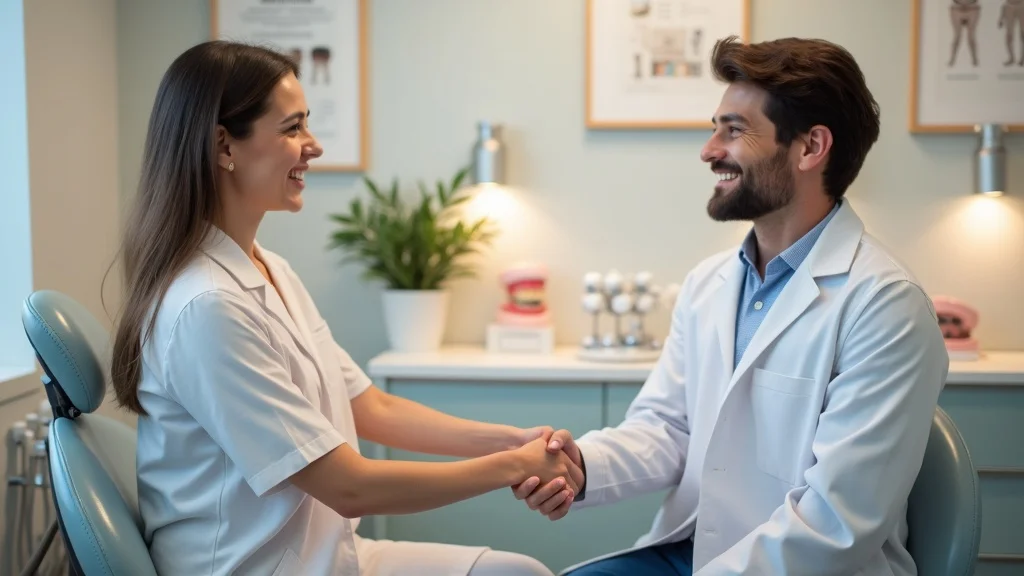
Relieved patient shaking hands with a dentist in a treatment room after a successful consultation, with dental chair and certificates visible in the background.

Key Takeaways: Earning Patient Trust with Your True Voice

When you strip everything else away, dental marketing comes down to trust. Interview based content is the most direct, efficient way to put your true voice in front of the people who are trying to decide whether to trust you with their health.

  • Patients are increasingly immune to generic marketing and can sense when content is fake, outsourced, or purely promotional.
  • Interview based content is the single most effective way to showcase real expertise, judgment, and empathy at scale.
  • Byline Engine exists to capture and amplify the stories, explanations, and insights only you can share, without adding more work to your plate.

Ready to Stand Out as a Trusted Dental Expert?

If you’re tired of blending into a sea of identical dental websites, interview based content is your way out. You don’t need to become a writer, a videographer, or an SEO specialist. You just need to be willing to talk honestly about what you know and how you care for patients—and let a focused system turn that into authority.

  • Cut through patient skepticism by putting your real voice, not a template, at the center of your online presence.
  • Transform patient perceptions, improve engagement, and grow your authority with a repeatable, low-friction interview process.

If you want to see what this could look like for your practice, the next step is simple: commit to one focused interview and turn it into the cornerstone of your authority online. From there, we build out a library that proves—to both patients and algorithms—that your expertise is real.


marketing for dental practices

4 Views

Write A Comment

*
*
Please complete the captcha to submit your comment.
Related Posts All Posts
03.08.2026

Effective SEO Techniques for Dental Expert Articles That Attract High-Value Patients

If my practice depends on high-value patients, I can’t afford to think about SEO the way I did even two years ago. The old game—stuffing “dental implants + city” into generic blog posts and waiting 6–12 months for Google rankings—isn’t just slow. It’s invisible in the one place that now matters most: AI-powered search. Today, when someone types, “Who’s the best implant dentist near me?” or asks an AI assistant, “What’s the safest way to fix my smile after bone loss?” that assistant is not just listing results. It’s selecting experts. And if my dental SEO articles aren’t built for this new AI search layer, I’m handing those high-value patients to someone else—usually the practice that looks more “obvious” and authoritative to AI. That’s why I’ve built Byline Engine around a simple reality: if I want to win high-value implant, cosmetic, and complex restorative cases, my dental SEO articles have to be designed not just for Google—but for AI search engines that recommend experts. Why Traditional Dental SEO Fails—and How the AI Search Shift Changes Everything The top SEO lie in dentistry is that speed matters more than being obvious to AI. Jim Neister Common Enemy: Outdated SEO Tactics That Waste Time & Hide Your Expertise Most dental practices are quietly leaking high-value patients because they’re still playing by yesterday’s SEO rules. The problem isn’t a lack of effort. It’s misdirected effort in a game that has fundamentally changed. Belief that SEO is slow and hard to measure keeps practices invisible. Many dentists believe SEO “takes too long” and “you never really know if it’s working.” What’s actually happening is this: they’re investing in content that never had a real chance to be picked up by AI-driven systems in the first place. If my dental SEO articles don’t answer real, specific questions patients are asking—and don’t clearly signal expertise—AI has no reason to surface me. Most “dental SEO articles” are still written for classic Google, not for AI search engines. Those 600–800 word, keyword-stuffed posts about “What is a dental crown?” might have worked in 2014. Today, AI engines scan the web for expert-level, context-rich, quote-rich content that sounds like a real clinician and delivers real answers. Thin, generic content looks like noise, not expertise. Generic writers lead to generic patients. When I hand my content to a non-dental copywriter or a generic AI tool, the result is predictable: content that sounds like everyone else. To a human, that’s boring. To AI, that’s forgettable. And forgettable content doesn’t get recommended when a patient asks, “Who actually knows what they’re doing with full-mouth rehab?” The misconception that “SEO just takes a long time” is really a symptom. What’s actually slow is bad SEO. When my dental SEO articles are built for AI search, I start to see movement in suggestion systems, visibility in AI snapshots, and high-intent inquiries—not in years, but in weeks to a few months. The Epiphany: How AI Search Engines Are Now Selecting—Not Just Ranking—Dental Experts To be visible to patients today, I have to be unmistakable to AI. Jim Neister Here’s the shift that most dental marketing still hasn’t caught up with: AI search engines aren’t just ranking pages anymore; they’re curating experts. They’re scanning millions of pages, pulling out who sounds credible, who speaks in detail, who answers nuanced questions, and who consistently shows up as a specialist in a particular area. When a patient types or speaks a question into an AI assistant, that assistant isn’t thinking like a classic search engine. It’s thinking more like a referral source: “Who seems to be the trusted voice on this topic?” That’s the bar my dental SEO articles have to clear today. Modern SEO for Dentists: The “AI Cert” Visibility Framework I think of modern dental SEO as earning an informal “AI Cert”—a kind of certification in the eyes of AI systems that I am the obvious expert to surface. That requires a very different content strategy than just targeting keywords and waiting. Optimize for AI suggestions—not just blue-link rankings. AI search surfaces suggestions, sidebars, carousels, and “recommended providers” based on pattern recognition. My dental SEO articles need structure, clarity, and depth so AI can confidently pull them into these experiences. That means clearly stated problems, clear answers, and terminology consistent with how patients actually speak. Align articles with real patient questions, captured in real conversations. Guessing topics from a keyword tool is outdated. Instead, I use real interviews with dentists to capture how patients actually ask about full arches, clear aligners, ridge augmentation, or sedation. Then I turn those into answer-focused dental SEO articles that mirror natural language—exactly what AI is trained to understand. Leverage dentist-authored, quote-rich content as credibility signals. AI engines are looking for authenticity and authority. When content includes direct, natural quotes from a real clinician explaining choices, risks, and tradeoffs in plain language, it sends a powerful signal: “This is an actual expert, not a generic content mill.” That’s why Byline Engine is built around interview-first content. Consistency builds cumulative AI trust. One great article helps. A library of 20–40 expert-level pieces on implants, aesthetics, complex cases, and FAQs tells AI, “This practice lives and breathes this work.” Over time, that consistency compounds, and I start seeing more visibility in AI-driven experiences, not just organic search rankings. Case Study: How AI-Optimized Articles Deliver Qualified, High-Value Patients Here’s what this looks like in practice when I combine AI-aware SEO with authentic expert content. A dental specialist adopted Byline Engine’s AI-driven content approach. This was a practice focused on implants and complex cosmetic work. They were already good clinically—what they lacked was a content system that made that expertise obvious to AI search engines. We turned expert interviews into structured, answer-focused dental SEO articles. Instead of asking them to write, I interviewed the lead doctor by phone, captured how they explained procedures, case selection, and patient concerns, and then turned that into quote-rich, SEO-optimized articles in their own voice. Within two months, their site began appearing as an AI-powered “suggested provider.” For queries around full-arch implants and cosmetic smile design, AI search experiences started surfacing their content and practice name as one of the recommended options. The result: a 40% increase in high-value consultations from ideal patients. Not just more leads—better ones. Longer treatment plans, fewer price-shoppers, and more “I read your article and I think you’re the right fit” conversations. If my articles don’t exist for AI, they barely exist for patients. Jim Neister This is the difference between “doing content for SEO” and building an AI-friendly expert footprint. The first is a cost center. The second becomes a predictable source of high-value cases. Rapid-Fire Takeaways: The New Playbook for Dental SEO Article Success When I strip it down, effective SEO techniques for dental expert articles that attract high-value patients come down to a few non-negotiables. Prioritize visibility in AI-driven results over vanity metrics. Ranking #1 for “dentist + city” is less important than showing up everywhere AI assistants and AI-powered search features suggest options. I care more about, “Did an AI experience put my name in front of a motivated patient?” than, “Did I gain two spots on a keyword chart?” Embed real expert commentary—not generic information. AI can generate generic content on its own. What it can’t fake is my clinical judgment, my way of explaining tradeoffs, and my stories of real patient outcomes. That’s what my dental SEO articles must showcase if I want AI to treat me as the trusted voice. Measure success by patient quality, not just traffic. In this new era, the real KPI is: “How many of my high-value cases started after a patient found me via AI-influenced search or content?” That’s the signal that my content is speaking to the right people at the right time with enough authority to move them to action. FAQs: Mastering Dental SEO for the AI Search Revolution How fast can AI-optimized dental articles influence patient flow? With traditional SEO, you were often looking at 6–12 months before seeing meaningful movement. With AI-optimized dental SEO articles, I start looking for early signs within 4–8 weeks: more impressions in AI-style results, more patients saying “I found you through an article,” and rising visibility on complex, conversational queries. Full momentum still takes time, but when content is structured for AI search, the ramp-up is noticeably faster and more direct. What’s different about AI search compared to classic Google search? Classic search mostly returned a list of links and left the decision to the user. AI search behaves more like a smart referrer: it reads across sources, synthesizes answers, and then recommends experts or content that seem especially trustworthy and relevant. That means my dental SEO articles must be deeper, clearer, and more authentic, because AI is evaluating who sounds like the expert, not just what matches a keyword. Is “dental SEO” less valuable now than before? Dental SEO isn’t less valuable—it’s different. The value has shifted from chasing broad rankings to building an expert profile that AI systems consistently recognize and surface. Practices that cling to old tactics will see diminishing returns, but those that invest in AI-aware, expert-driven content will find SEO more powerful than ever for attracting high-value implant, cosmetic, and specialty cases. Ready for the Next Step? Book Your AI Dental SEO Strategy Session If I want to be the obvious choice for high-value patients in my market, I can’t leave my online presence to generic blogs, generic writers, or generic AI tools. I need dental SEO articles that capture my voice, my expertise, and my best cases—and present them in a way that AI search engines can’t ignore. That’s exactly what I built Byline Engine to do. I jump on a short phone call, talk the way I naturally explain treatment to patients, and the platform turns that into a library of polished, quote-rich, AI-optimized articles that live on my site, under my name, working for me 24/7. If attracting more of the right patients—not just more clicks—is a priority this year, the next step is simple: book an AI Dental SEO Strategy Session. We’ll map out how to turn my spoken expertise into a compounding asset that AI search engines recognize—and high-value patients trust. Because in the AI-search era, being good at dentistry isn’t enough. I also have to be easy for AI to find.

02.22.2026

How Interview-Based Dental Content Creation Amplifies Practice Growth in 2025

If I ran my practice’s content and SEO in 2018 the way many dentists still do in 2026, I’d be invisible online. The harsh reality is this: generic, copy-paste dental content doesn’t just underperform—it actively holds practices back. Patients scroll past it. Google buries it. Competitors who show real expertise outrank and outshine it. The practices winning in 2026 are not the ones publishing the most words; they’re the ones publishing the most authentic expertise. My entire focus with Byline Engine is simple: take the knowledge already in a dentist’s head and turn it into high-performance dental content creation—without asking them to write a single paragraph. Interview-based content is how I do that, and it’s why the fastest-growing practices I work with are pulling ahead in Google rankings, patient trust, and treatment acceptance. Why Generic Content Fails Dental Practices—and the Interview-Based Alternative That Wins Patients trust real expertise, not regurgitated facts—your authentic voice is your brand. Jim Neister Most dental marketing still runs on a broken assumption: that “having content” is enough. A few blog posts on teeth whitening, an FAQ page about insurance, maybe a monthly newsletter. The problem isn’t the topics—it’s that this content is indistinguishable from every other dentist in the city, and often, from every AI tool on the market. In 2026, the bar for effective dental content creation is dramatically higher. Google’s algorithms are aggressively prioritizing Experience, Expertise, Authoritativeness, and Trust (E‑E‑A‑T). Patients are doing deeper research, reading reviews, checking websites, and comparing practices before they call. Both Google and your future patients are asking the same silent question: “Is this a real expert I can trust, or just another generic website?” Interview-based content flips that script. Instead of outsourcing your authority to a random copywriter or a generic AI template, I capture your real stories, your real language, and your real chairside explanations—and structure them into SEO-optimized articles that no one else can replicate. That’s how a practice stops sounding like a commodity and starts sounding like a category leader. The Pitfall: Why Most Dental Content Creation Misses the Mark in 2026 Google favors unique, expert-driven content Patients are savvy to “cookie-cutter” dental blogs Copy-paste info erodes local authority—hurting trust and SEO When I audit dental websites, I see the same pattern. Pages built around the same stock phrases, the same definitions of procedures, and the same superficial answers to patient questions. In many cases, I can literally paste a sentence into Google and find three other practices using the exact same copy. That’s a disaster for dental SEO and for your reputation. Here’s what this does in practice. First, Google recognizes the content as near-duplicate or low-value, and your pages struggle to rank for competitive local searches like “Invisalign near me” or “dental implants in [your city]. ” Second, savvy patients sense the generic feel. The site may look polished, but nothing about the words conveys you—your philosophy, your experience, your chairside manner. The gap between a practice that “has a website” and a practice that dominates with dental content creation is not design—it’s depth. It’s whether the content reflects real clinical thinking, real decision-making, and real patient stories. That’s the gap interview-based content closes. From Chairside to Page: How Interview-Based Dental Content Ignites Real Practice Growth The fastest-growing practices in 2026 are the ones amplifying their expertise online, not hiding it in the operatory. Jim Neister Every time a patient asks, “Do I really need this crown?” or “Is Invisalign right for me?” you give a clear, confident, human answer. You use analogies. You walk through options. You personalize the explanation to their situation. That is the content that sells treatment—and it’s also exactly the kind of content Google is desperate to reward. Interview-based dental content creation is simply about capturing those conversations in a structured way. I get on the phone with you, ask the same kinds of questions your patients ask, and record how you explain things in natural language. Then I shape those explanations into articles that answer real questions better than any generic blog ever could. The result is content that feels like a continuation of your chairside experience: clear, reassuring, educational, and specific to your philosophy of care. When a new patient reads three or four of those articles before walking into your practice, case acceptance stops feeling like a battle and starts feeling like a logical next step. Authenticity Engineered: The Byline Method for Dental Content Creation Real-time dentist interviews fuel authentic articles—not generic ghostwriting Dentist quotes and stories build credibility and a distinct voice No time wasted: doctors simply speak, content is done-for-you When I built Byline Engine, I started with one constraint: the dentist should not have to write. At all. The barrier to consistent dental content creation has never been a lack of expertise; it’s the brutal reality of time and energy. After a full day of patients, nobody wants to wordsmith a 1,500-word article on implant-supported dentures. My method is built around short, focused phone interviews—usually 20–30 minutes. I guide the conversation with a content strategy in mind: the keywords we’re targeting, the services you want to grow, the types of patients you want to attract. While we talk, I’m listening for quotable lines, patient stories, and the little turns of phrase that make your personality come through. That’s the raw material. From there, my AI-driven system (trained specifically on dental terminology and patterns) and editorial process turn that transcript into polished, SEO-optimized, quote-rich articles. We keep your voice intact, but elevate the structure, clarity, and search performance. You show up, speak once, and end up with an asset that works for your practice 24/7. The Results: SEO Authority, Patient Trust, and Effortless Growth Stop blending in—stand out with patient-winning stories from your own practice. Jim Neister In hard numbers, effective dental content creation shows up as more organic traffic, higher conversion rates from website visits to calls, and better performance on high-value service pages. But beneath those metrics is something deeper: visible authority. Patients start using language from your articles when they call. They say, “I read your piece on full-mouth reconstruction and it finally made sense. ” That’s when you know the content is doing real work. Google also responds. Articles built on interview-based insights naturally include the long-tail phrases and nuanced questions patients are actually typing and speaking into search. Combined with consistent publishing, internal linking, and proper on-page optimization, this kind of content steadily builds topical authority around implants, cosmetic dentistry, clear aligners, or whatever focus you choose. The growth feels almost unfair from the inside: while other practices are still arguing over blog calendars, your site quietly becomes the educational hub in your market—the place patients land when they’re serious about treatment, not just browsing. The Byline Growth Framework: Three Steps to Dental Content Domination Speak Your Expertise: Real phone interviews uncover overlooked patient education gems. Transform and Publish: AI tools distill interviews into SEO-optimized, quote-rich articles. Engage and Convert: Publish consistently, building trust and top Google rankings. When I map out dental content creation for a practice, I keep it ruthlessly simple. Complexity kills consistency. Everything I do fits into those three steps, repeated over and over. First, we extract expertise. That means choosing topics based on real business goals—growing implants, promoting sedation, boosting clear aligner starts—then building interview prompts that surface the explanations, analogies, and stories you already use with patients. This is where hidden gems live: the small distinctions you make that competitors never talk about. Second, we transform. I layer SEO strategy on top of your words: keyword targeting, headings, meta descriptions, internal links, and schema where appropriate. The content feels human because it started human—but it’s engineered to perform in search. Finally, we publish on a consistent cadence. Weekly, bi-weekly, or monthly, depending on your goals and market competitiveness. That drumbeat is what tells both Google and patients that your practice is active, invested, and leading. Ready for 2026: Why Interview-Based Content Is the Next Dental Marketing Imperative Eliminates the bottleneck of dentist time constraints Raises authoritativeness and patient loyalty Provides consistent, SEO-boosting updates for long-term growth In 2026, the practices that struggle most with marketing aren’t necessarily the ones with the worst websites—they’re the ones that can’t keep up with consistent content. The owner knows content matters, the team keeps “meaning to get to it,” but months go by with no updates. Meanwhile, a competitor quietly publishes fresh, expert-driven articles every month and slowly captures the market. Interview-based dental content creation removes the single biggest obstacle: your time. If you can give me 20–30 minutes on the phone, I can give you multiple pieces of content that sound like you, position you as the expert, and serve your long-term SEO. That’s a trade any serious practice can justify. Beyond rankings, this kind of content deepens loyalty. Existing patients feel reassured when they see you explaining complex topics with clarity and empathy. Referring doctors have something credible to share. Local media and partners can see your level of expertise at a glance. You stop being “a dentist with a website” and start being “the dentist whose content I always recommend. ” Key Takeaways: Transform Your Practice with Interview-Based Dental Content Creation Abandon generic, AI-only content in favor of authentic expertise. Turn doctor insights into discoverable, patient-magnet content. Maximize both SEO and credibility in one streamlined process. Everything I do with Byline Engine is built around one conviction: the most powerful marketing asset a practice has is the mind of the doctor. Generic agencies and off-the-shelf AI tools try to work around that by fabricating expertise. I’d rather plug directly into it and amplify it. When you align dental content creation with your real clinical thinking, you get content that not only ranks but also pre-educates and pre-qualifies the right patients. Instead of spending chair time overcoming confusion and skepticism, you spend it confirming understanding and moving forward with treatment. That shift alone is worth far more than the cost of any content program. Take the First Step Toward Effortless Practice Growth in 2026 If your current content feels generic, outdated, or invisible in search, the problem isn’t that you “aren’t good at marketing. ” The problem is that your true expertise has never made it out of the operatory and onto the page. The simplest next step is this: commit to one focused interview cycle. Choose one high-value service you want to grow—implants, Invisalign, cosmetic makeovers—and build three to five articles around it by speaking, not writing. Once you see how that content performs, you’ll understand why the top practices in 2026 treat interview-based dental content creation as a core growth system, not a side project. If you’re ready to turn your everyday explanations into a competitive advantage, I’m ready to help you build that engine.

02.09.2026

Leveraging Interview-Based Content to Enhance Dentist Authority and Build Patient Trust

Most dental marketing fails for one simple reason: patients don’t believe it. They’ve seen too many stock-photo smiles, too many cookie‑cutter blog posts about “5 Tips for Whiter Teeth,” and too many websites that sound exactly the same. At this point, patients are asking themselves a very blunt question: “Is this real… or is this just more fake marketing?” That’s the core problem I built Byline Engine to solve. I take dentist expert interviews—real conversations, in your own words—and turn them into polished, quote‑rich, SEO‑optimized articles that actually feel human. Not scripted. Not generic. Not “agency-speak. ” Because in dentistry today, the practice that wins is the one that feels most authentically trustworthy—not the one with the fanciest logo. Why Generic Dental Content Fails—and How Expert Interviews Change Everything Patients trust authenticity, not polished marketing speak. Jim Neister The biggest misconception I hear about interview‑based content is simple and damaging: “It’s not authentic. Patients won’t know if they can trust it, it’ll just feel like more fake news. ” That mindset is understandable if your only exposure to “content marketing” has been generic blog mills and AI‑spun articles. When everything sounds like it was written by the same anonymous copywriter, of course patients feel skeptical. It’s the same tone, the same advice, the same lines about “personalized care” and “state‑of‑the‑art technology. ” The Costly Myth: ‘Interview Content Isn’t Authentic’ The skepticism around interview-based marketing: “Is this just another sales pitch?” Traditional content sounds artificial and erodes trust Patients increasingly spot—and dismiss—generic dental advice Here’s the irony: authenticity is exactly what interview‑based content delivers when it’s done correctly. When I get on the phone with a dentist, I’m not asking them to “perform” or pitch their services. I’m asking them to talk the way they already talk—about cases, about patient fears, about what they wish people knew before they walked into the operatory. Those conversational answers are raw, honest, and full of nuance. That’s the gold most practices are sitting on without realizing it. Patients can sniff out manufactured marketing language in a second. But when they read an article that clearly reflects a real human being behind the practice—your phrasing, your priorities, your philosophy—that’s when the emotional defense system lowers and real patient trust begins. How Real Interviews Position Dentists as Community Authorities Becoming the go‑to expert in your community starts with telling your real story. Jim Neister Right now, many highly skilled dentists are virtually invisible online. Not because they lack expertise, but because their websites and blogs don’t sound any different from the practice down the street. Clinical excellence is useless if nobody can see it or feel it. Dentist expert interviews fix that by pulling your day‑to‑day expertise out of your head and putting it where patients make decisions—on your website, your Google Business Profile, and your social channels. Instead of you being “just another provider on the list,” you start to appear as the go‑to authority for the topics that actually matter in your community: implants, cosmetic dentistry, full‑mouth rehab, sedation for anxious patients, and more. The Voice-First Approach: Byline Engine’s Authentic Content Framework Captures everyday expertise through authentic conversations Translates clinical skills into patient-relatable narratives Delivers SEO-optimized, quote-rich articles that build authority My entire model at Byline Engine is built on a voice‑first approach. I don’t start with an outline and jam your name into it. I start with a live phone interview and build everything from your voice outward. In a 15–20 minute conversation, I can capture enough expert material to create multiple articles. I ask grounded, practical questions: how you handle anxious patients, what makes your implant workflow different, why you chose a particular restorative protocol, how you think about long‑term oral health rather than “quick fixes. ” Then my AI‑driven platform—trained specifically on dental terminology and industry nuances—turns that conversation into: Clear, patient‑friendly explanations of complex procedures Memorable quotes in your own words SEO‑structured articles around real patient search intent The result is content that both sounds like you and performs like marketing. That’s the combination most practices are missing. Expert interviews turn dental skill into lasting reputation. Jim Neister Winning Patient Trust: The Unexpected Power of Human Stories Interview content reflects personal commitment and skill, not corporate spin Patients connect to real experiences—building emotional loyalty Trust accelerates practice growth and positive word-of-mouth Patients don’t choose a dentist based on who can recite the best explanation of a crown. They choose based on who they believe will actually take care of them. That’s why dentist expert interviews work so well: they naturally surface the human stories beneath the clinical work. The way you helped a terrified patient get through their first visit in ten years. The way you rebuilt someone’s smile after years of hiding it. The way you adapted treatment because you listened to a patient’s life situation, not just their x‑ray. When I weave those details into your articles—without violating privacy or sounding melodramatic—patients begin to see you as more than a provider. They see you as a trusted advisor who actually understands what they’re going through. That perception leads to: Higher case acceptance (because trust is already earned before the consult) More word‑of‑mouth referrals (“You have to read what my dentist wrote about…”) Stronger loyalty when competitors try to undercut you on price Breakthrough Results: From Skepticism to ‘Go-To’ Local Expert Enhanced reputation leads to higher-value patient acquisition Authority content ranks higher in local searches Dentists shift from ‘just another provider’ to trusted advisor When a practice leans into interview‑based content, the external perception of that dentist changes long before the patient walks in the door. First, reputation shifts. Instead of being known only by existing patients and insurance lists, you start being discovered through high‑intent local searches: “implant dentist near me,” “full mouth reconstruction [city],” “sedation dentist for anxious patients. ” Your content doesn’t just exist—it answers real questions in a way that feels qualified, current, and local. Second, the type of patient you attract changes. When someone reads three or four in‑depth articles or FAQs in your voice before they ever call, they already see you as the logical choice. They’re not price shopping to the same degree because they’re shopping for trust and expertise, not just a cleaning. Over time, that compounds. Instead of chasing volume, you build a reputation as the practice people turn to when the case is important, complex, or emotionally loaded. That’s the bridge from “nice website” to “go‑to local expert. ” Quick-Start Guide: Launching Your First Dentist Expert Interview Start with real conversations—capture authentic opinions and stories Focus on daily skills that set your practice apart Partner with platforms that preserve your unique voice (like Byline Engine) You don’t need a studio, a film crew, or a five‑figure agency retainer to start using dentist expert interviews in your marketing. You need a phone, 20 minutes, and a willingness to talk honestly. Here’s how I recommend getting started: Pick one focus area. Maybe it’s implants, clear aligners, smile makeovers, or treating anxious adults. Choose the service you want to be known for in your community. Record a real conversation. Either with me through Byline Engine or with a team member who can ask you simple, open‑ended questions: “What do patients usually get wrong about this?” “What’s one case that really stuck with you?” “How do you decide what’s best for a patient in this situation?” Turn that audio into structured content. This is where my platform takes over—transcribing, organizing, and transforming your answers into articles, social posts, FAQs, and quote graphics that all sound like you. The key is to protect your voice. If you hand that raw material to a generic content agency with no dental background, they’ll usually sand off the edges and rewrite it in their house style. I built Byline Engine specifically to preserve your phrasing, your priorities, and your clinical nuance—while still delivering clean, professional copy that your team can publish immediately. Key Takeaways: Transforming Your Dental Practice Through Interview-Based Content Authenticity breeds lasting trust—patients can tell the difference. Interview-based content raises your local expert profile. Stop wasting time on generic blogs—let your true expertise shine. The practices that will thrive over the next decade aren’t necessarily the ones with the biggest ad budget. They’re the ones that show up as real, authoritative humans in a digital space crowded with generic noise. If you’re doing excellent clinical work but your website doesn’t reflect that, you don’t have a marketing problem—you have a translation problem. Dentist expert interviews are the most efficient way I know to translate what you already do and believe into content patients can find, understand, and trust. Ready to Become the Trusted Dental Authority in Your Community? If you’re tired of paying for content that could belong to any dentist anywhere, it’s time to change the model. Let me interview you once and show you what your expertise looks like when it’s captured accurately, written professionally, and optimized for the patients you actually want to attract. From there, we can build a repeatable content engine that keeps your site fresh, your SEO strong, and your reputation growing—without stealing hours from your schedule or forcing you to become a writer. If you’re ready to be seen as the go‑to expert in your local market, not just another name in a provider directory, it starts with one honest conversation.

Terms of Service

Privacy Policy

Core Modal Title

Sorry, no results found

You Might Find These Articles Interesting

T
Please Check Your Email
We Will Be Following Up Shortly
*
*
*